
30 OCTOBER 2026
Why African Genomics Matters Beyond Science: The Importance of Locally Grounded Research for Development
Published By
Wubalem D. Seifu ∙ Zewdu E. Bedada ∙ Changqing Zeng (曾长青)
Genomics & Global Health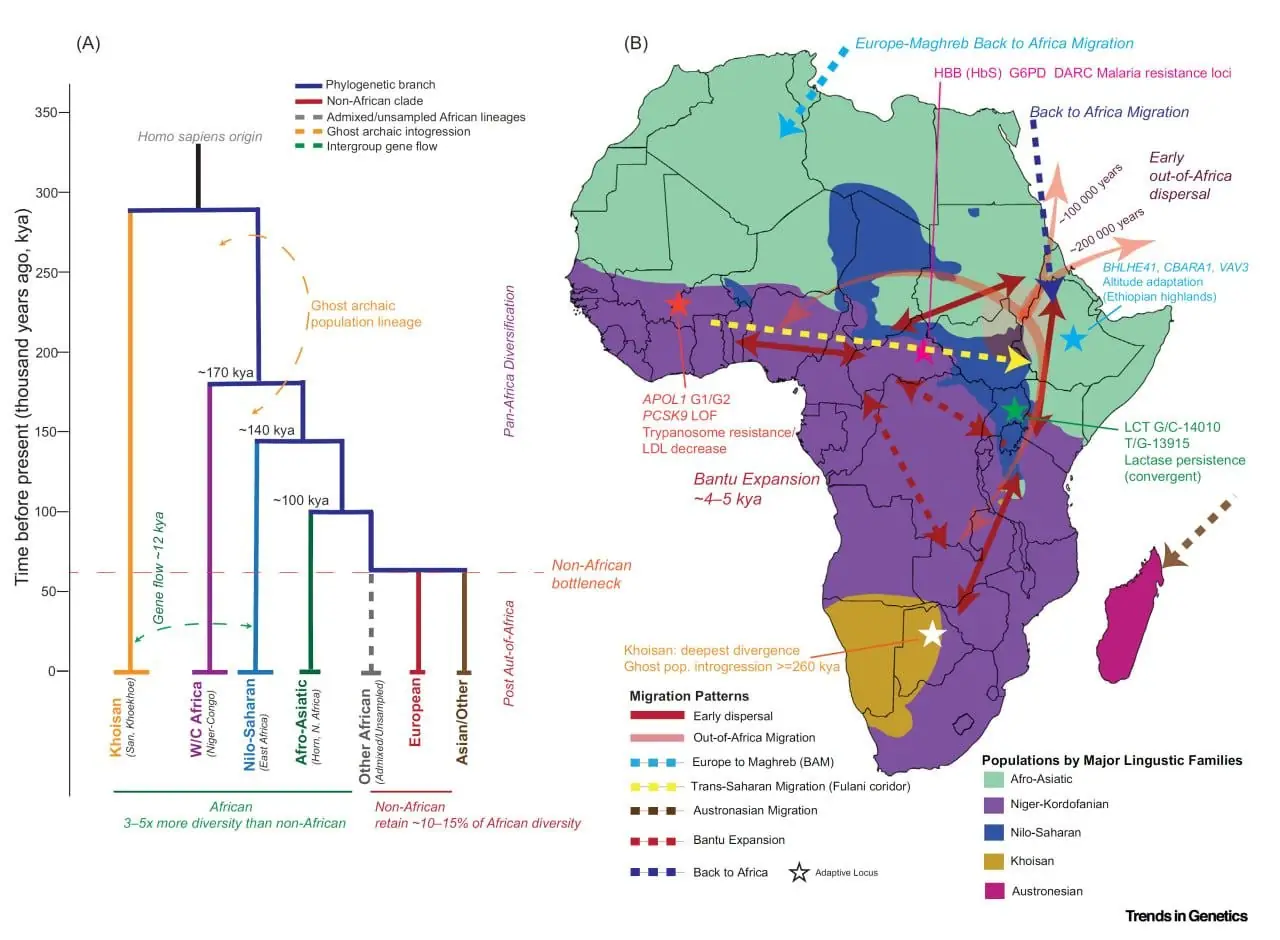
Scientific research shapes how societies understand problems, establish priorities and develop solutions. However, the value of scientific evidence depends not only on the methods used to generate it but also on whose experiences, characteristics and realities it represents. When research overlooks important population differences, the resulting knowledge can be incomplete, limiting its relevance to the people and contexts it is intended to serve. This is particularly important in global health research, where the underrepresentation of African populations has implications extending beyond scientific inclusion to the accuracy and applicability of medical knowledge.
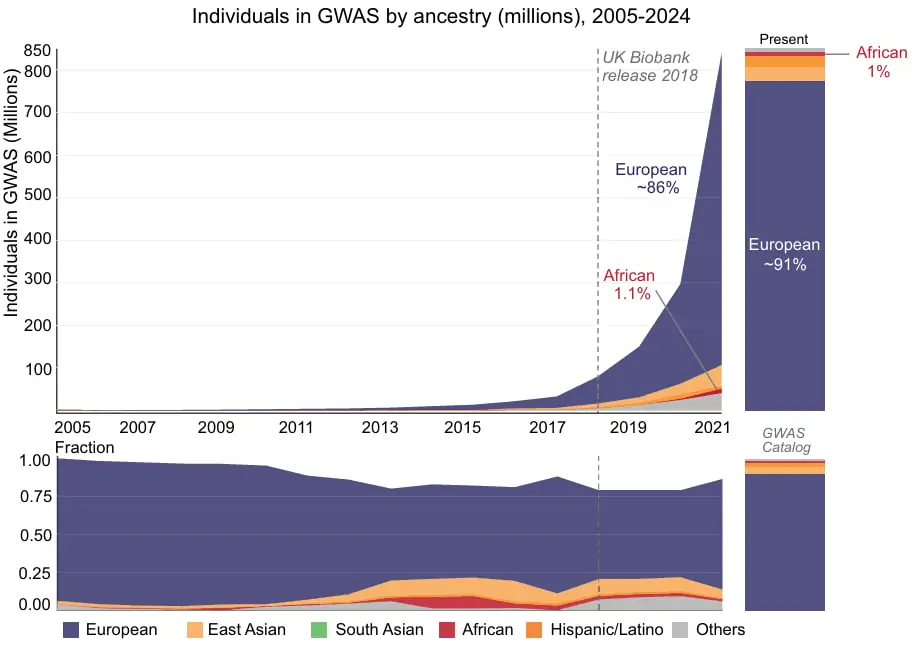
A recent publication by Seifu et al. in Trends in Genetics, developed with technical support from BAN-DRCE, brings this issue into focus by examining the consequences of African genomic underrepresentation. Although Africa holds the greatest share of human genetic diversity, individuals of African ancestry account for approximately 1% of participants in major genomic research databases. The authors challenge the conventional framing of this disparity as simply an inclusion gap, arguing instead that excluding much of Africa’s genetic diversity creates fundamental limitations in how human biology, disease susceptibility and treatment responses are understood.
As the authors emphasize, “African genomes are not a subset. They are the source of the most complete record of human genomic diversity that exists.” This distinction is important. African populations are not merely another group to be added to existing genomic datasets; their genetic diversity contains variations and evolutionary histories that cannot be adequately represented through research conducted predominantly in other populations. The implications are already evident in biomedical research, from the discovery of genetic variants associated with cholesterol regulation and kidney disease to the understanding of malaria resistance and adaptations among Ethiopian highland populations. These findings demonstrate how research grounded in African genetic diversity can contribute to discoveries with significance extending well beyond the continent.
The implications are particularly consequential for public health. Genetic differences influence how individuals respond to diseases and metabolize medications, meaning that treatment guidelines developed using evidence from predominantly non-African populations may not adequately account for variations present in African populations. The publication also highlights the practical consequences of gaps in genetic research, including the risk that medicines may not work as expected for some populations and that health risk assessment tools developed mainly using European data may be less reliable when applied to people of African ancestry. These limitations underscore the importance of generating more representative genomic evidence to improve the scientific basis for clinical research and the development of population-appropriate healthcare approaches.
Beyond genomics, this raises a broader question about how research evidence is generated and applied in development. Whether informing public health strategies, evaluating development interventions or shaping policies, research is most useful when its underlying data and analytical approaches adequately reflect the populations and contexts under consideration. Evidence derived from incomplete representations can overlook important differences, produce misleading conclusions and limit the relevance of subsequent decisions. The genomic research gap offers a particularly clear illustration of how such limitations can become embedded in scientific methods, reference frameworks and practical applications, even when those frameworks are intended for global use.
Addressing this challenge therefore requires more than increasing African representation in international research. It calls for stronger African research institutions, greater scientific leadership, sustained investment in technical and research infrastructure, and meaningful participation in decisions concerning data generation, ownership and governance. The publication highlights these priorities through its recommendations, including the development of an African pangenome, expanded pharmacogenomic research and stronger institutional leadership in genomic science. Initiatives such as the 3 Million African Genomes (3MAG) initiative also reflect the ambition to build genomic resources that more adequately capture the continent’s diversity. Realizing this ambition, however, depends on the capacity of African institutions and researchers to lead and sustain these efforts.
For research and development institutions, this is a reminder that meaningful contribution to knowledge production goes beyond collecting information or participating in externally defined research agendas. It involves strengthening the capacity to identify relevant questions, generate reliable evidence, apply appropriate analytical approaches and translate findings into decisions that respond to local priorities. Supporting this process is essential to building a research environment in which African knowledge and scientific contributions shape both continental development and global understanding.
Ultimately, the significance of African genomics extends beyond the field of genetics itself. It demonstrates why scientific progress and development depend on research foundations that adequately reflect human and contextual diversity. Ensuring that African populations and institutions are not only represented but actively shape the production and application of scientific knowledge is therefore central to advancing more accurate, inclusive and context-responsive approaches to health and development.
Read the full publication: African genomes are not a subset – Seifu et al., Trends in Genetics